
Adults-Only Resorts In Mexico: Understanding Locations, Beach Access, And Surroundings

Resort amenities, relaxation-focused environments, and service patterns tied to surroundings
Amenities at adult-oriented properties generally reflect both guest expectations and the constraints or opportunities of the site. Resorts with broad beachfronts may allocate space for multiple pools, beach lounges, and water-sport facilities that rely on proximity to calm water. In more urban or town-adjacent properties, amenities may concentrate on indoor wellness spaces, rooftop pools, or compact fitness facilities. Eco-minded properties typically design low-impact amenity footprints and may emphasize interpretive trails, native-vegetation gardens, and programming that explains local ecological processes.
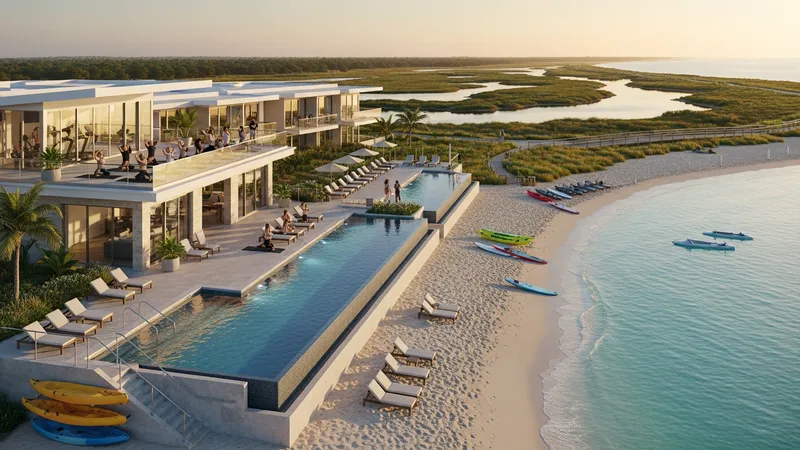
Wellness and quiet zones are frequently emphasized in adult-focused environments and tend to be calibrated to the type of surroundings. Properties adjacent to natural preserves may establish observation points or guided nature walks, while those in resort corridors may provide spa services and curated relaxation spaces separated from busier public areas. Noise management strategies—such as restricted hours for amplified entertainment and designated quiet pools—are often used to preserve a restful character, particularly where the surrounding community also values low ambient noise.
Operational patterns for amenities can reflect logistics tied to location. Remote properties might schedule fewer daily activities and provide more self-contained services due to supply constraints, whereas those near towns can rely on external vendors for excursions and specialty services. Staffing models and service hours are often adjusted to align with arrival patterns and local labor markets. Understanding that amenity availability can be influenced by the surrounding infrastructure is useful when evaluating the likely service mix at a given site.
Environmental stewardship is commonly integrated into amenity planning, especially where shorelines support sensitive habitats. Measures such as dune restoration, use of native landscaping, and restrictions on beachfront lighting during nesting seasons are sometimes implemented to balance visitor access with conservation. These practices can affect guest access to certain parts of the shoreline at specific times and may be described by properties as part of their operational policies. Such management practices are intended to align recreational use with ecological protection rather than to indicate universal procedures.