
Australia Farm Work Visa: Overview Of Eligibility, Age Limits And Skill Requirements

Age limits and visa category intersections for farm work
Age thresholds differ markedly across Australian visa streams that permit agricultural work. Working Holiday (subclass 417) and Work and Holiday (subclass 462) visas commonly set an upper age limit—often around 30 years, with some nationalities permitted up to 35—so age eligibility can be decisive for young people planning seasonal field work. In contrast, employer‑sponsored skilled visas generally do not rely on strict upper age cutoffs but consider skills, experience, and occupation lists. These distinctions mean applicants may select different pathways based on age and the nature of the planned work.
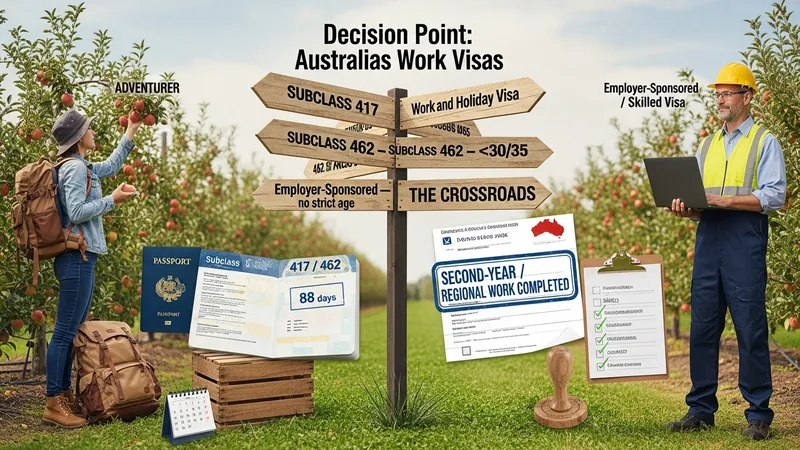
Some age‑restricted pathways also offer second or subsequent visa grants conditional on completing specified periods of eligible regional or agricultural work. For example, completing a defined period of regional field work may enable a return visa or a second‑year visa extension under certain youth visa frameworks. The specific required duration and eligible activities are determined by policy and may vary over time, so understanding the current requirements for hours worked, types of tasks, and locations is important when planning.
Age interacts with other eligibility criteria such as health, character, and financial prerequisites; older applicants may face heightened scrutiny on some streams if health or previous migration history raises concerns. Conversely, younger applicants may have fewer obligations related to formal qualifications but may need to meet stricter nationality or funding requirements. These intersections between age and other criteria typically influence which route is practicable.
When assessing options, applicants often consider how age limits affect future mobility within the Australian visa system. For example, youth visas that offer work‑based extensions may be used strategically by some individuals to secure additional lawful work time in regional areas, while employer‑sponsored routes may provide a more direct path for those with recognised skills irrespective of age. These considerations are procedural rather than advisory and should be matched to the applicant’s circumstances.