
Care Assistant Night Shifts: Practical Tips For Working Safely And Effectively

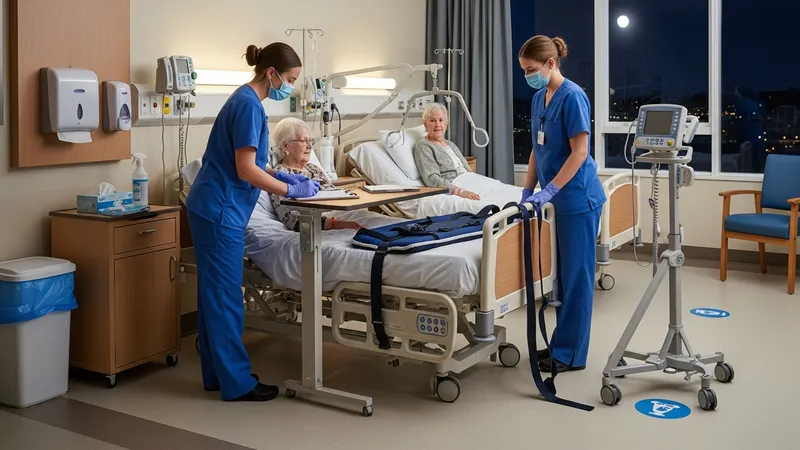
Safety practices and infection control during night shifts
Safety practices overnight emphasize fall prevention, safe manual handling, and maintaining hygienic conditions with fewer staff present. Night-specific measures may include ensuring call systems are operational, keeping pathways clear, using bed and chair alarms where indicated, and positioning assistive devices within easy reach. Infection control measures, such as hand hygiene, correct disposal of single-use items, and surface cleaning, remain important during night shifts and often follow the same standards as daytime care. Staff may perform spot checks on cleaning logs and confirm that personal protective equipment is available for anticipated tasks.
Risk assessment processes are typically used to determine the level of monitoring required for individuals and to set observation frequencies. For example, residents with recent falls, incontinence issues, or cognitive impairment may have more frequent checks specified in their care plans. Assistive equipment such as transfer belts or mechanical lifts should be available and inspected for night use; care assistants often check equipment readiness at shift start. Training in safe handling techniques and infection control protocols can help reduce adverse events during overnight care, and refresher sessions may be scheduled to maintain competence.
Infection control at night can be challenged by limited housekeeping coverage and reduced on-site clinical staff, so practical steps may be taken by care assistants to reduce transmission risks. These steps include using disposable gloves for appropriate tasks, performing hand hygiene between interactions, managing soiled linens according to policy, and isolating or escalating suspected infectious issues as required by local protocols. Documentation of any infection-related observations should be clear to inform subsequent cleaning schedules and clinical assessments during the day.
Considerations for maintaining safety also include environmental adaptations that are effective overnight, such as low-level lighting, clear signage, and non-slip flooring near beds and bathrooms. Staff may be encouraged to document near-misses and incidents to allow quality reviews that inform adjustments to night procedures. Such reviews can result in updated checklists or revised observation protocols, which are intended to reduce recurrence. These measures typically form part of a broader safety plan that spans night and day operations.