
Electric Bicycles: Key Features, Motor Types, And Battery Ranges Explained

Motor types and placement relevant to electric bicycles: motor characteristics and practical effects
Motors in electric-assisted bicycles can be categorized by placement and basic architecture, and those choices typically influence ride dynamics. Hub motors sit inside the wheel and may be either geared or gearless; they often provide direct push without influencing the gearbox. Mid-drive motors are positioned near the crank and apply torque through the chainset, allowing gear use to maintain motor efficiency across speeds and gradients. Each arrangement may lead to different maintenance patterns, with hub motors emphasizing wheel servicing and mid-drive units interacting more with the drivetrain components.
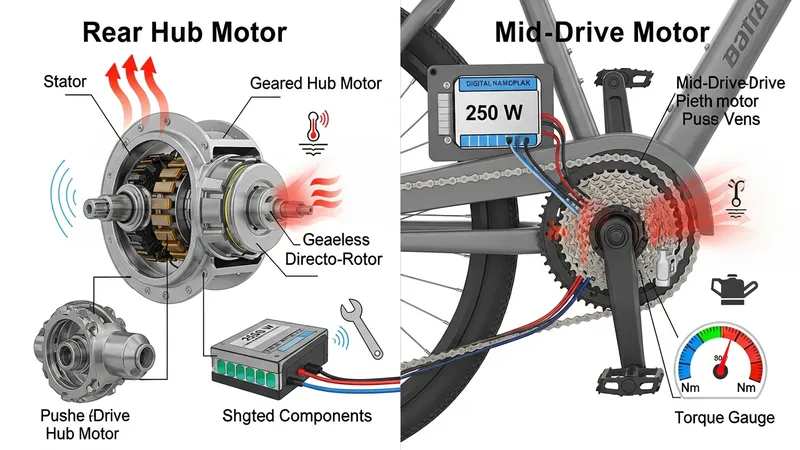
Power ratings on motor nameplates may be shown in watts and can serve as a general indicator of potential assistance, but actual output available for propulsion may vary with battery voltage, controller programming, and thermal limits. Typical consumer e-bike motors are commonly rated in ranges that suit local regulatory classes, and torque output (measured in newton-meters) often matters more than horsepower for hill climbing. Noise, heat dissipation, and thermal protection thresholds can differ between designs and should be considered for sustained use on hilly routes.
Installation and serviceability considerations often differ: hub motors may require wheel removal to service or replace, while mid-drive systems can complicate bottom bracket or chainring work. Weight distribution changes with motor placement and can affect handling: centrally mounted mid-drives usually keep mass near the bike’s center, whereas hub motors concentrate mass at a wheel. These differences can influence rider confidence and cargo configurations, so evaluating typical use patterns may help in choosing a configuration that fits daily travel needs.
Control electronics and integration methods also vary and can affect ride experience. Some systems prioritize simple assist level selection through a display pad, while others integrate speed and torque sensors for more nuanced response. Regenerative braking capability may be present in some hub motor designs but is often limited in effectiveness on two-wheeled vehicles due to typical braking profiles. Understanding how motor type and integration affect thermal performance, drivetrain wear, and handling can inform expectations for long-term operation and maintenance.