
FHA Loans: Understanding Requirements For Bad Credit Home Buyers

FHA Loans: Credit Score Criteria and Typical Underwriting Considerations
Credit score thresholds for FHA-insured loans are often lower than many conventional mortgage programs, and lenders may accept scores in a range that typically starts around the mid-500s to low-600s depending on other borrower attributes. Automated underwriting systems commonly provide risk assessments that guide eligibility and pricing; when automated results are unfavorable, manual underwriting may be an option. Underwriters often weigh recent payment history, length of credit history, and the presence of major derogatory events such as recent foreclosure, which usually have defined waiting periods under program guidance.
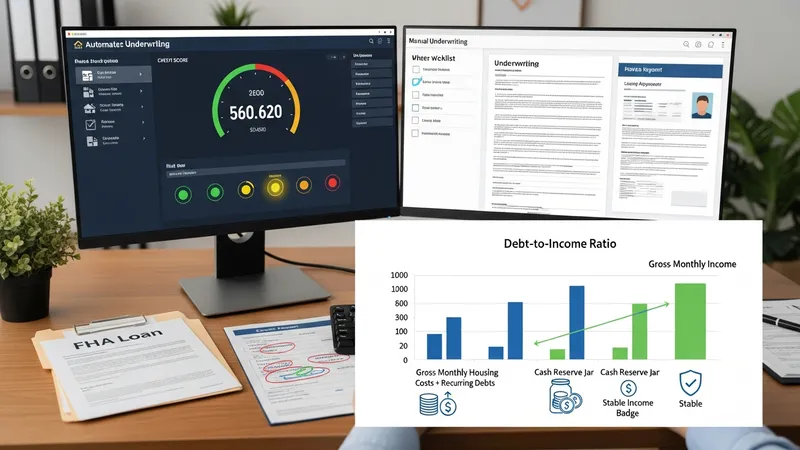
Debt-to-income ratio (DTI) is another key underwriting metric and is typically considered alongside credit scores. FHA guidance often allows higher DTIs than some conventional guidelines when compensating factors are present, such as larger down payments, demonstrated cash reserves, or minimal additional obligations. Lenders evaluate gross monthly housing costs plus recurring monthly debts against income to establish a sustainable payment level, and documentation of stable income streams often plays a decisive role.
Employment and income verification typically require recent pay stubs, W-2s, or tax returns for self-employed borrowers; lenders may also request bank statements and verification of other income sources. Consistent employment history for at least two years is often viewed as a stabilizing factor, though shorter histories can be considered with explanations and verified income continuity. Underwriters may also verify that alimony, child support, or other non-employment income is likely to continue when used to qualify.
Credit file anomalies such as medical collections, charged-off accounts, or recent late payments are evaluated in context. FHA guidance often differentiates between types of derogatory credit and may permit approval with documented resolution plans or evidence of settled accounts. Lenders decide whether negative items materially affect repayment ability, and compensating factors like higher reserves or a larger earnest deposit can be persuasive in the manual review process.